Adapted from Phillip H. Hwang, MPH, PhD,“The Hearing Journal”,(2020, Vol.73, Issue 10)
As Singapore and other societies age rapidly, more people are living with hearing and vision problems. While these conditions may seem like natural parts of growing older, research has found that they are closely linked to brain health. In fact, when hearing and vision loss occur together—a condition called dual sensory impairment (DSI)—the risk of dementia rises sharply.
Hearing and Vision Loss in elderly
Hearing loss is very common: about one in three people in their 60s already have some difficulty hearing, and most people over 85 experience significant hearing impairment. Vision problems are also widespread, from cataracts to age-related macular degeneration. On their own, both conditions have been linked to memory problems and cognitive decline.
However, when both hearing and vision are affected at the same time, the impact is much greater. Studies show that elderly with DSI are at the highest risk of developing dementia compared to those with no sensory loss or only one type of impairment.
Research Findings
In large studies of older adults, researchers found that:
Having only hearing loss or only vision loss did not consistently raise dementia risk.
Having both hearing and vision loss nearly doubled the risk of dementia, including Alzheimer’s disease.
The more severe the dual impairment, the higher the risk—those with the greatest difficulties were up to five times more likely to develop dementia.
Why Might This Happen?
Experts believe there are several reasons:
Social isolation: Difficulty hearing and seeing can make conversations and social activities harder, leading to loneliness.
Extra strain on the brain: When the brain works harder to process unclear sounds and images, fewer resources are left for memory and thinking.
Shared health conditions: Problems such as vascular disease or inflammation may contribute to both sensory loss and dementia.
What You Can Do
The positive message is that hearing and vision problems can often be managed, which may also support long-term brain health. Here are some steps you can take:
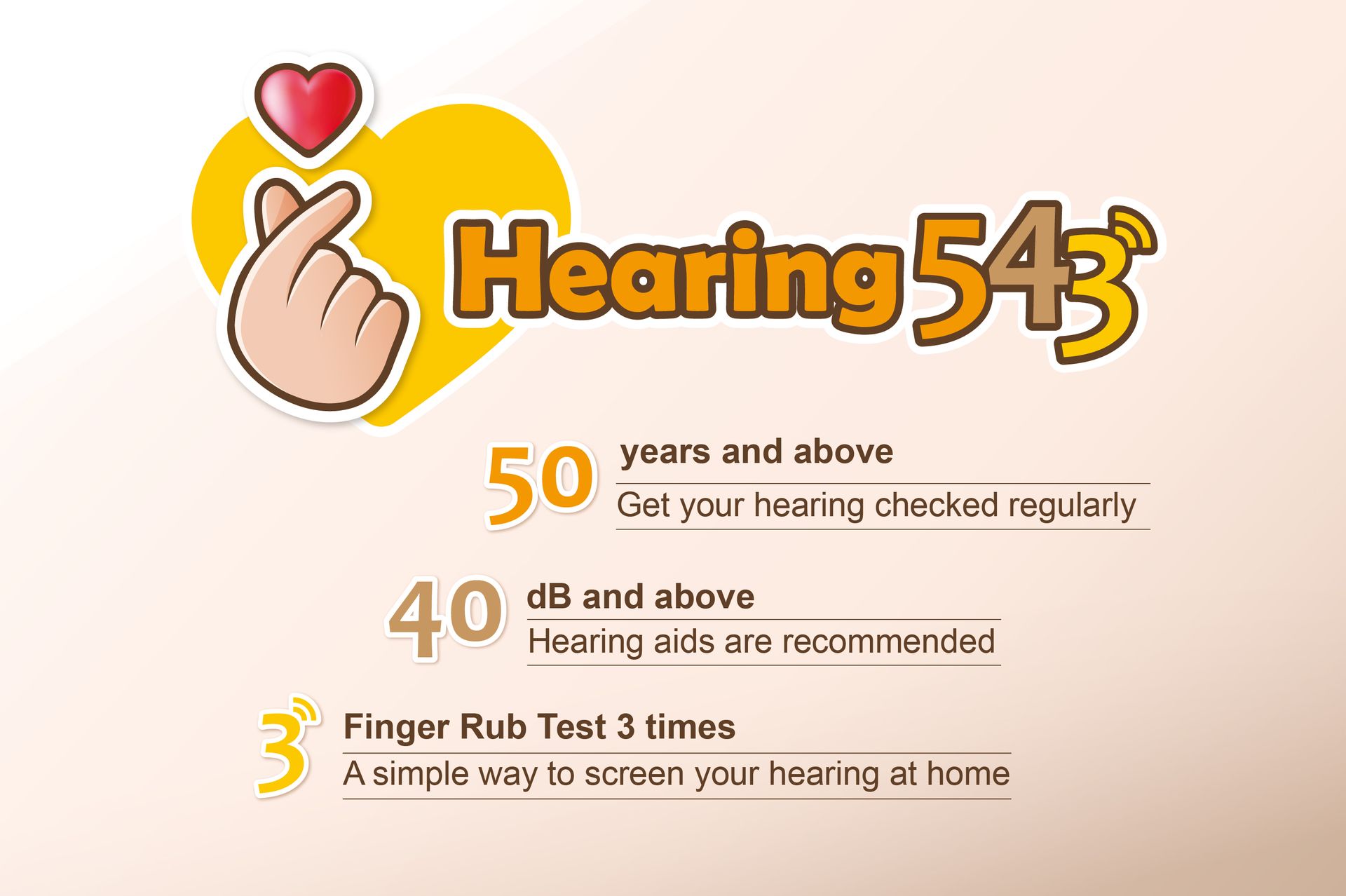
Schedule regular check-ups for both hearing and vision, especially after age 60.
Use assistive devices such as hearing aids, glasses, or cataract surgery if recommended by a healthcare professional.
Stay socially active—join conversations, volunteer, or connect with friends and family.
Maintain overall health by exercising, eating well, and managing blood pressure and diabetes, which also support brain health.