Hearing aids come in a variety of shapes and styles to meet diverse needs. Choosing the right type depends not only on the degree of hearing loss but also on lifestyle, comfort, and personal preference. With today’s technology, hearing aids can be customised and programmed to respond automatically to subtle changes in sound—delivering clearer speech, crisper audio, and a more natural listening experience.
Hearing Aids and Their Role
Most people with hearing loss can benefit from hearing aids. Because hearing loss varies in type and severity, a wide range of hearing devices are available to provide different features and functions that suit individual needs. Today, hearing aids can be digitally programmed and respond automatically to subtle changes in sound—delivering clearer, sharper audio and improved speech understanding.
Types of Hearing Aids – Based on Appearance
Hearing aids can be categorised by how they are worn, depending on the user’s hearing condition and personal needs. The main styles include behind-the-ear (BTE) and in-the-ear (ITE) designs.
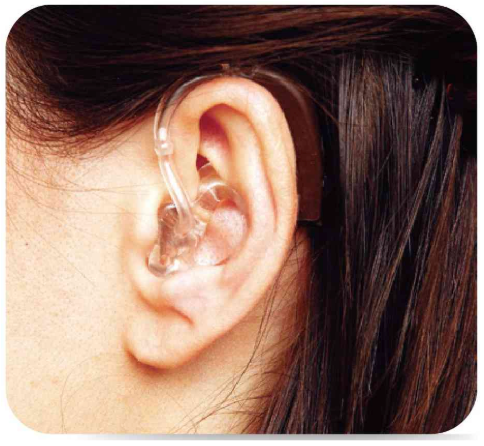
1. Behind-the-Ear (BTE) Hearing Aids
Advantages:
Easy to operate
Suitable for children
Available in multiple colours
Suitable for: Mild to severe profound hearing loss
BTE hearing aids are widely used because they suit a broad range of hearing losses. They are user-friendly and come in a variety of colours to match different skin tones or personal preferences.
2. Mini Behind-the-Ear Hearing Aids
Advantages:
Discreet and almost invisible
Comfortable to wear
Delivers refined, natural sound quality
Available in multiple colours
Suitable for: Mild to severe hearing loss
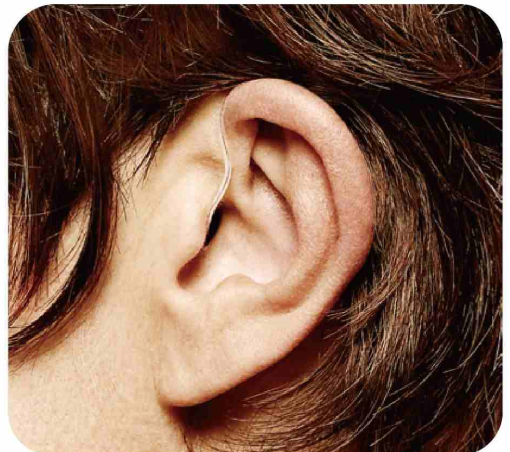
Mini BTEs are smaller and more discreet than traditional models, making them a popular choice. They can be further divided into two designs based on receiver placement:
Receiver-in-the-Aid (RITA): Some BTE hearing aids can be adapted into open-fit styles by replacing the ear hook with a slim tube. This requires recalibration of the acoustics and gain settings.
Receiver-in-the-canal RIC Hearing aids: The speaker (receiver) is placed directly in the ear canal through a soft ear dome, allowing sound to enter the ear more directly for a clearer listening experience.
3. Completely-in-Canal (CIC) Hearing Aids
Advantages:
Extremely discreet
Preserves the ear’s natural sound collection function
Suitable for: Mild to moderately severe hearing loss
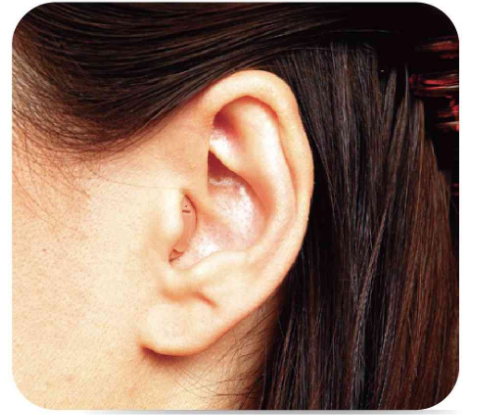
CIC hearing aids are custom-made to fit deep within the ear canal, making them nearly invisible. They are suitable for individuals with mild to moderate hearing loss.
The fit also depends on the size and shape of the ear canal, which may limit suitability. CIC devices are not recommended for people with severe hearing loss.
4. In-the-Ear (ITE) /In-the-Canal (ITC) Hearing Aids
Advantages:
Convenient for phone use
Includes a telecoil option for improved phone conversations
Suitable for: Mild to severe hearing loss
ITE/ITC hearing aids are slightly larger than CIC models and sit within the outer portion of the ear canal. They are appropriate for users with mild to severe hearing loss. The larger size also allows for more features, such as telecoil functionality.
The takeaway
With today’s technology, hearing aids have become smaller, smarter, and more versatile. Whether you prefer a discreet device hidden inside the ear or a user-friendly model that is easy to handle, there is always a solution that cater to your hearing needs and lifestyle. Selecting the right hearing aid starts with a professional hearing test and consultation—ensuring that you receive the best support to reconnect with the sounds of life.