Hearing is one of the most essential senses for communication, learning, and overall quality of life. When hearing loss occurs, it does not only affect one’s ability to listen—it also influences emotional wellbeing, social connections, education, career development, and physical health. The impact may vary depending on age, work, and lifestyle, but the consequences are significant across all stages of life.
1. Learning Language and New Skills
From birth to around five years old, children are in the critical stage of language development. Studies show that even mild, repeated, or long-term hearing loss—such as that caused by recurrent ear infections—can negatively affect speech and learning.
Children with hearing loss may experience delayed language development, unclear pronunciation, weaker expression skills, and reduced sensitivity to music or rhythm. Because they often miss what teachers or parents are saying, they may struggle academically and fall behind in school.
2. Psychological Wellbeing
Research indicates that children with hearing loss often struggle with low self-esteem due to poor academic performance. They may also display behavioural challenges such as irritability, lack of focus, or hyperactivity.
Adults with hearing loss may frequently need others to repeat themselves, which can lead to frustration and embarrassment. Over time, this may cause social withdrawal, irritability, feelings of isolation, or even depression.
3. Relationships and Social Life
Hearing loss can make it difficult to follow conversations in schools, workplaces, or social gatherings. Telephone communication is also challenging, which can lead to a sense of being cut off from others. Misunderstandings are more common, which can strain personal and professional relationships.

4. Career Development
In many professions, important decisions are made in meetings or through verbal discussions. For someone with hearing loss, not being able to follow conversations accurately can result in missing or misunderstanding critical information. This can affect decision-making, work performance, and career growth.
Additionally, those who struggle with phone use may miss important opportunities, impacting their professional advancement.
5. Physical and Mental Health
For seniors, hearing is closely linked to overall health. Several studies have measured the wellbeing of elderly with hearing loss, then fitted them with hearing aids. After three months, their physical and mental health showed significant improvement.
How to Prevent Hearing Loss
There is no absolute way to prevent hearing loss, as its causes vary. However, one of the biggest threats to healthy hearing is excessive noise exposure.
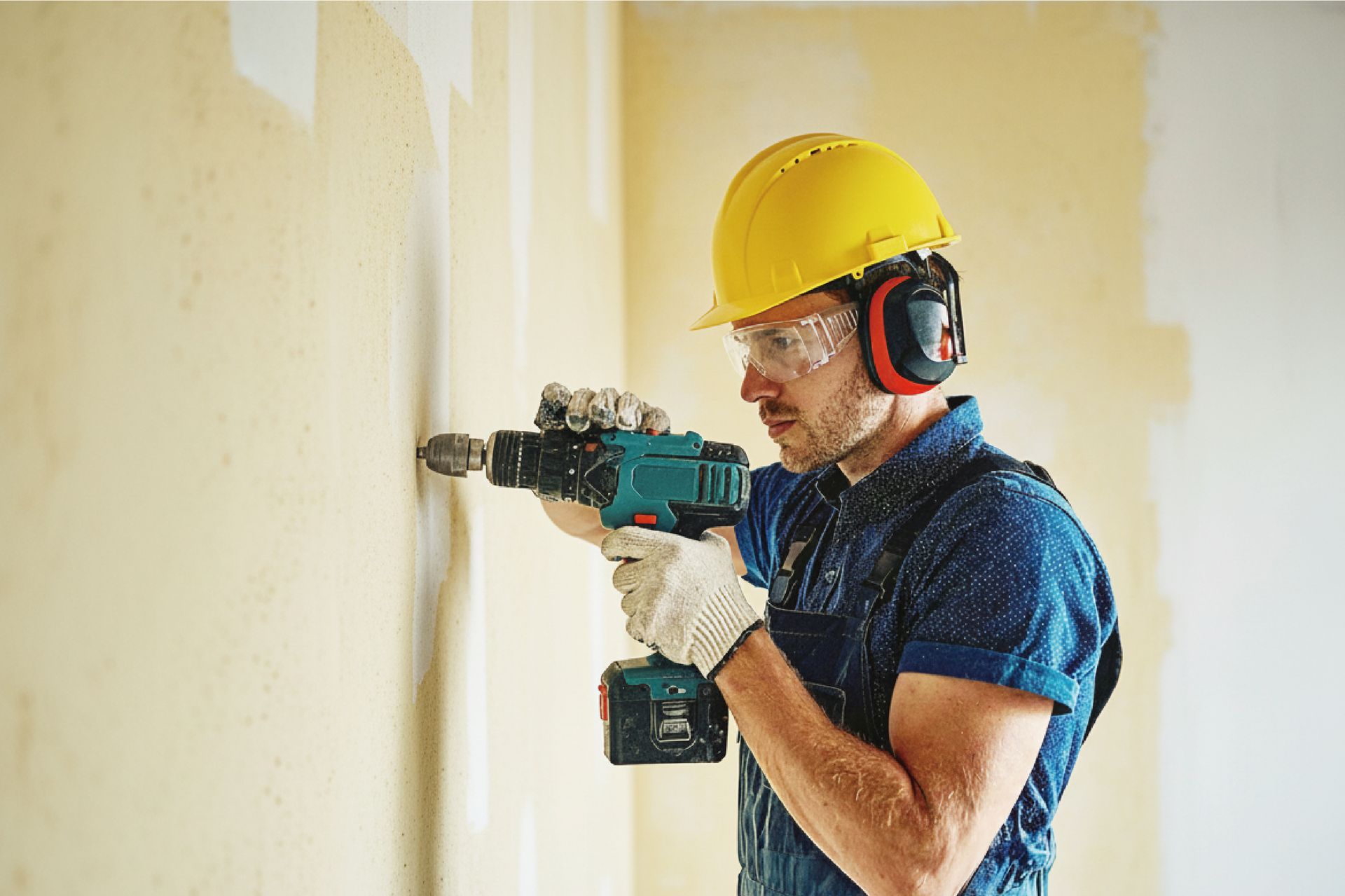
People working in loud environments, such as construction sites or airports, should wear earmuffs or noise-cancelling protection.
Avoid prolonged listening to high-volume music, especially through headphones.
What to Do If You Suspect Hearing Loss
If you notice hearing difficulties, schedule a comprehensive hearing test with an audiologist immediately.
If the cause is medically treatable, seek medical attention.
Otherwise, timely use of hearing aids or assistive listening devices is strongly recommended.
Tips for Communicating with People with Hearing Loss
When speaking with someone who has hearing loss:
The takeaway
Hearing loss affects more than just listening—it impacts communication, relationships, career success, and emotional health. With timely intervention, the use of hearing aids or assistive devices, and supportive communication strategies, people with hearing loss can live fuller, healthier, and more connected lives.